AI technology useful for detecting climate change – Dr. Peter Grafman
Indradhanu International Grand Challenge Competition concluded at PCCOE

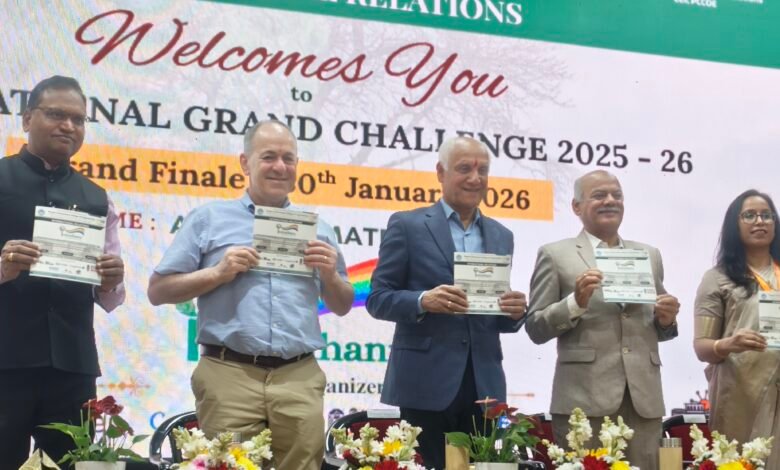
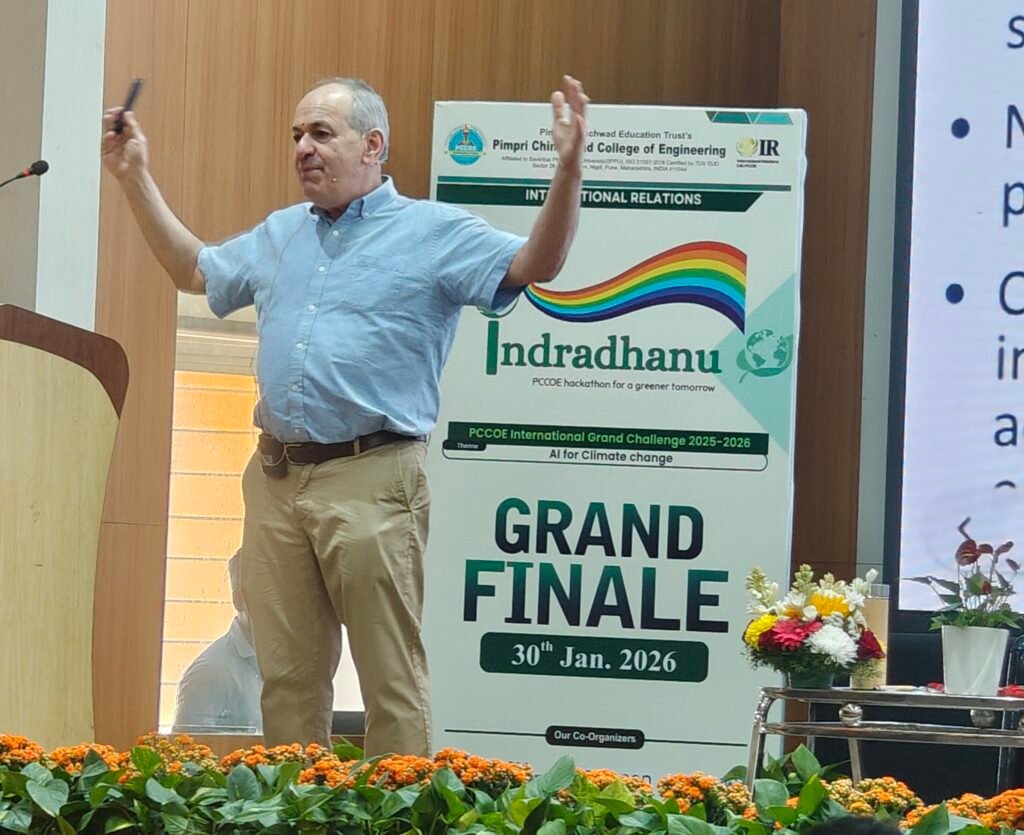
Pimpri, Pune (February 10, 2026) Climate change is the biggest scientific challenge of our time. AI technology is useful for detecting climate change. Due to radical changes in the environment, disasters occur suddenly. This can lead to disasters like excessive rainfall, drought, earthquakes, landslides. This can disrupt infrastructure such as lakes, dams, flood protection walls along the river banks. For example, during Hurricane Katrina, everyone believed that a large protective dam would provide safety. But the dam failed, on the contrary, it caused more damage to the city, said Prof. Dr. Peter Grafman of New York University, USA.
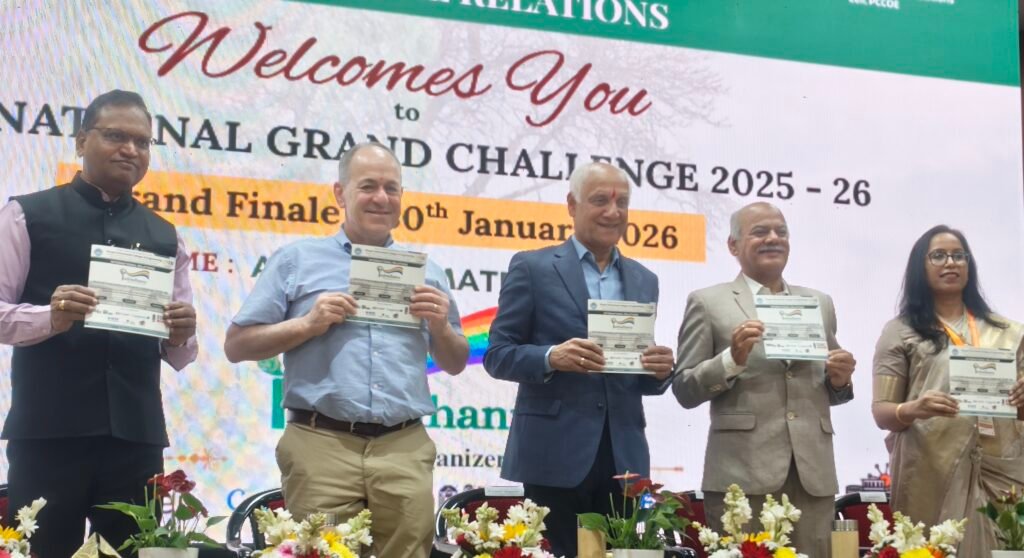
The competition “Indradhanu – International Grand Challenge 2025 – 26” was organized by the Department of International Relations and co-organized by CUNY at Pimpri Chinchwad Education Trust (PCET) at Pimpri Chinchwad College of Engineering (PCCOE). International teams from India, America, Malaysia, Ghana participated in this competition. Dr. Peter Grafman guided the participants.
On this occasion, Prof. Dr. Pramod Khargonkar of the University of California, PCCOE Director Dr. Govind Kulkarni, Deputy Director Dr. Neelkanth Chopde, Director of International Relations Dr. Roshni Raut, Professor of Practice Dr. R. Venkateswaran, Pune VOIS DGM Vishal Jain, Godrej Company R. & D. Head Sant Ranjan, USA BCC City University of New York Paramita Sen, University of New York Dr. Neil Philip, Ms. Bhavana of Newgen, Hemant Selmokar of Datafi Company, Vyom Logic AI CEO Chirag Trivedi etc. were present.
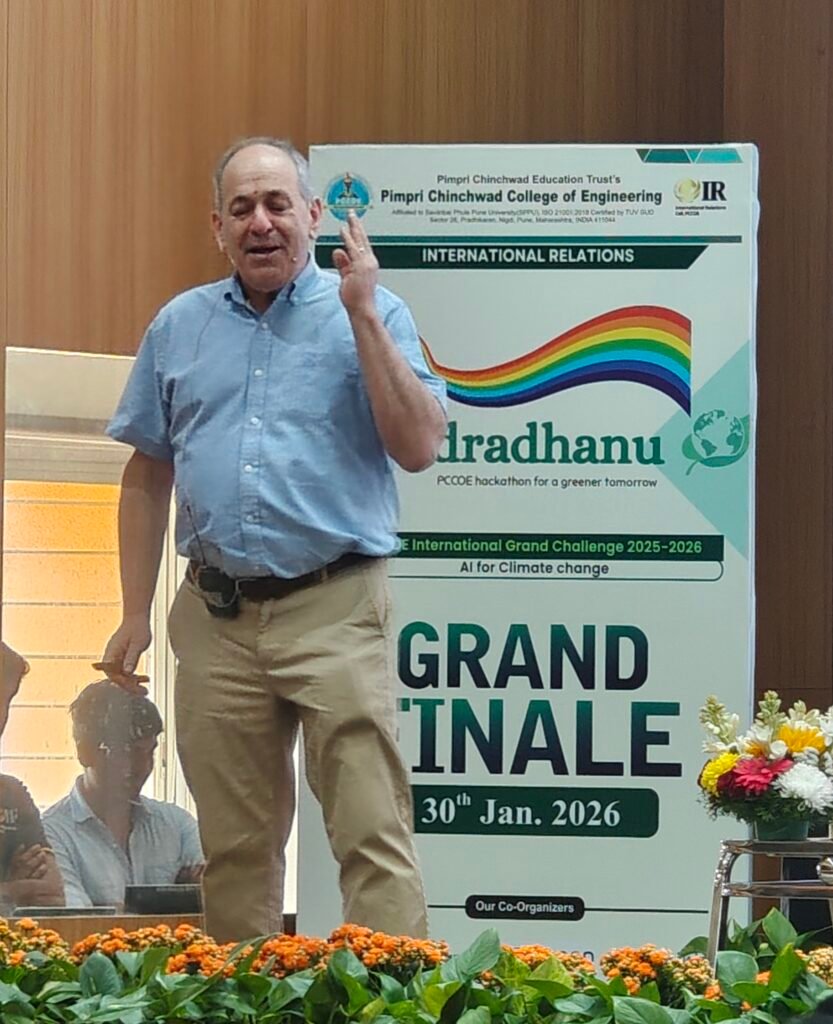
University of California Prof. Dr. Pramod Khargonkar said that AI technology can provide accurate information about all aspects of climate change. From now on, AI will develop by traveling to General AI, Powerful AI and then Super AI. Later it will become a common and social technology. Which purpose will also be common. Also, Dr. Khargonkar guided on various topics such as comparison with AI revolution, Internet, computer, microprocessor, electricity, steam engine, printing press.
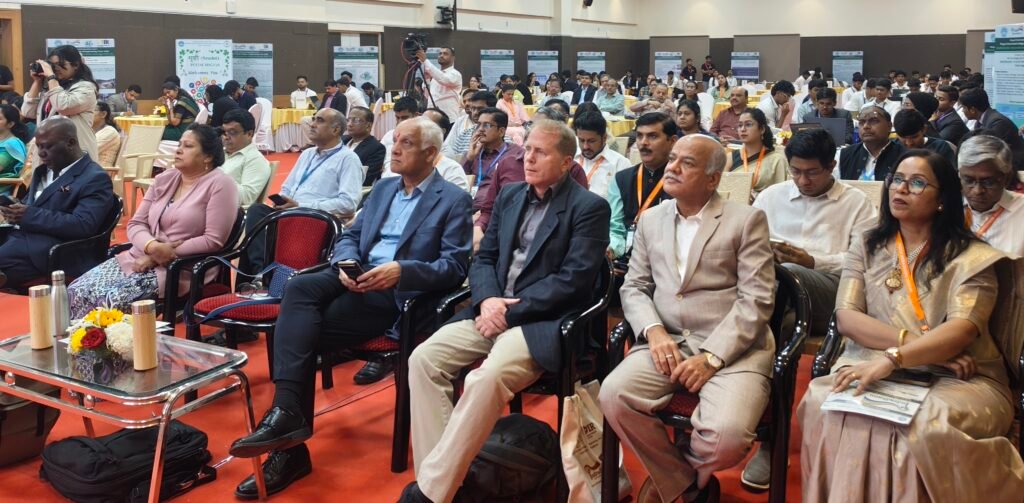
Pimpri Chinchwad Education Trust President Dnyaneshwar Landge, Vice President Padmatai Bhosale, Secretary Vitthal Kalbhor, Treasurer Shantaram Garade, Trustee Harshvardhan Patil, Entrepreneur Narendra Landge, Ajinkya Kalbhor, Executive Director Dr. Girish Desai congratulated all the winning teams and their mentors.
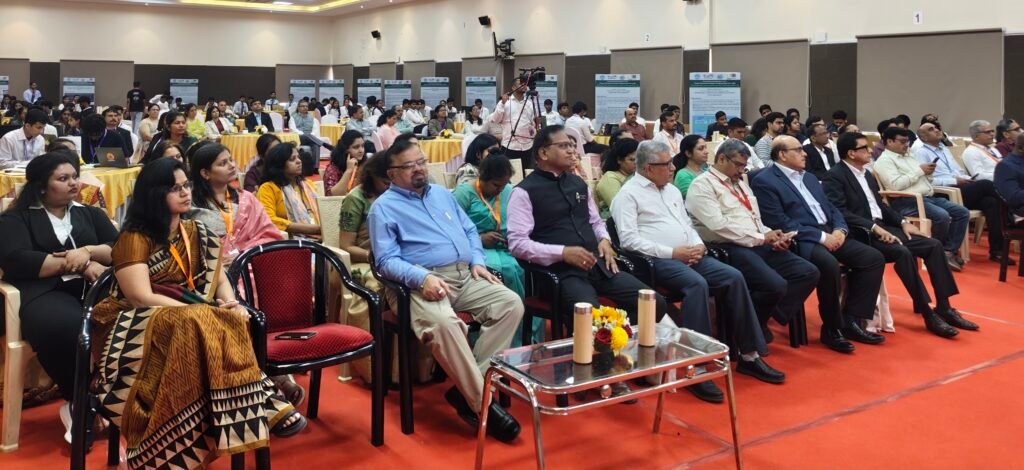
PCCOE Director Dr. Govind Kulkarni said that Indradhanu is a powerful platform to promote global collaboration. The competition was related to the United Nations Sustainable Development Goals and 13 types of climate action. The objective of the competition was to encourage the development of technology-driven AI.
In his introduction, Dr. Roshni Raut said that Indradhanu has been supported by Bronx Community College, The City University of New York, Nugen Intelligence, Capgemini, IEEE Pune Chapter, Ecosan Service Foundation, The Institute of Indian Foundrymen and Pune AIT Community. For this, in June 2025, 1002 teams from all over the world, including 10 teams from outside India and other teams from 18 different states in India, had registered their ideas and participated. Out of these, 481 teams submitted video prototypes. 19 teams were selected for the final round.
The winners of this competition are as follows:-
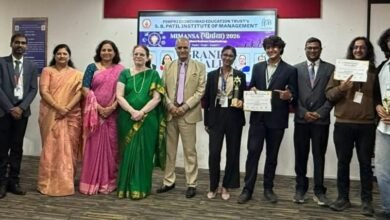
First place:- “IGC 425 Bytes Pirates” was awarded a prize of Rs. 1 lakh and a Newgen API credit of Rs. 1 lakh from MIT Academy of Engineering and a memento.
Second place:- “IGC 664 Ecolooper, Bharati Vidyapeeth Engineering College, Pune” was awarded Rs. 60 thousand and Rs. 75 thousand Newgen API credit and a memento.
Third place:- “IGC 412 Zenith, Pimpri Chinchwad Engineering College” was awarded Rs. 40 thousand Newgen API credit and a memento.
Also, special category awards were given to Symbiosis Skills and Professional University, Pune and “IGC 1003 Team Big Apple” of The City University with Rs. 20 thousand each.
Dr. Anjali Srivastava moderated the event and Dr. Sandeep Patil proposed the vote of thanks.
——————————————————————